
Beechey Island was named after Sir William Beechey (1753–1839), a British portrait painter who served as the official painter to King George III and later King George IV. The island was named in 1819 by William Edward Parry during his Arctic expedition. Parry named it in honour of Beechey, whose son, Frederick William Beechey, was a naval officer and Arctic explorer who had served under Parry.
In the winter of 1845-46, Sir John Franklin’s Northwest Passage expedition on the HMS Erebus and HMS Terror overwintered at Beechey Island. The crews established a substantial shore camp, cached supplies, and left behind the graves of three seamen who died during that first Arctic winter: Petty Officer John Torrington, Able Seaman John Hartnell, and Private William Braine of the Royal Marines. When search parties rediscovered the site in 1851, the three headstones, scattered tin cans, and other remnants provided the first concrete evidence of the expedition’s early movements, confirming that Franklin’s ships had safely reached Lancaster Sound before vanishing farther south.
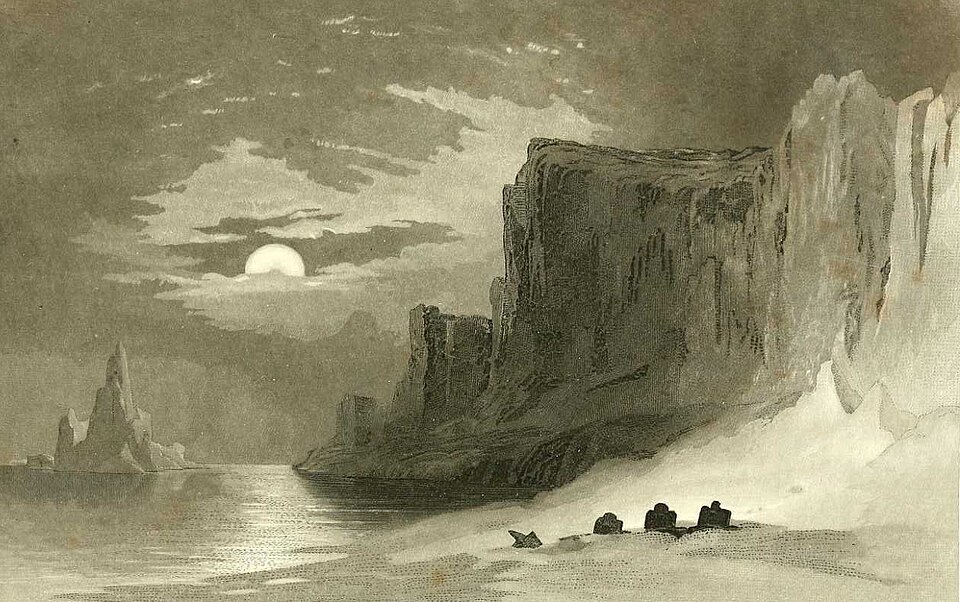
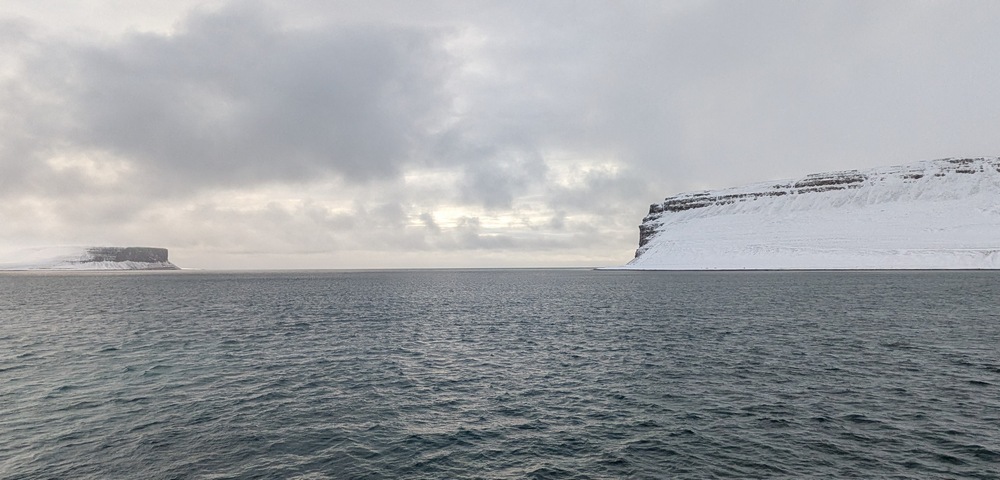
Generally, we have been very flexible with where we go ashore based on weather and what we might see. Here we have a strict schedule as our archeologist has reserved our landing at Beechey Island for the morning of September 17.
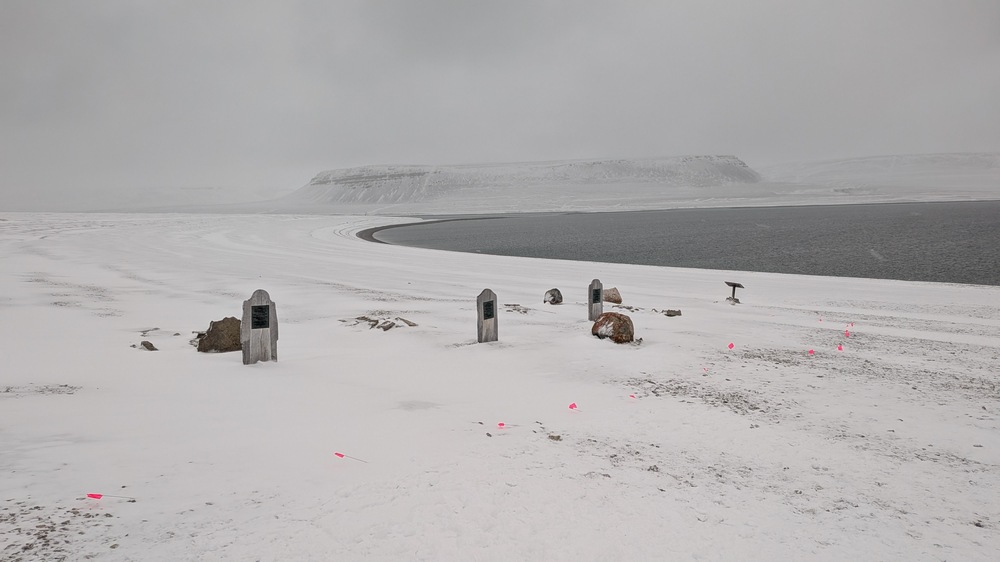
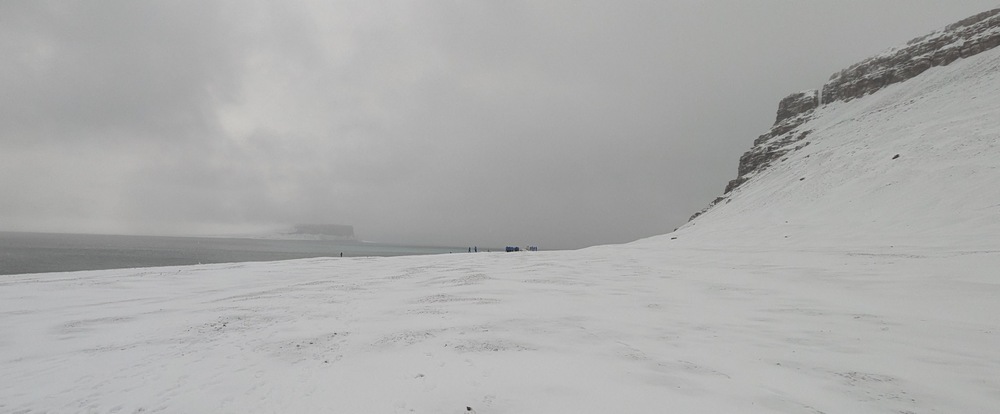
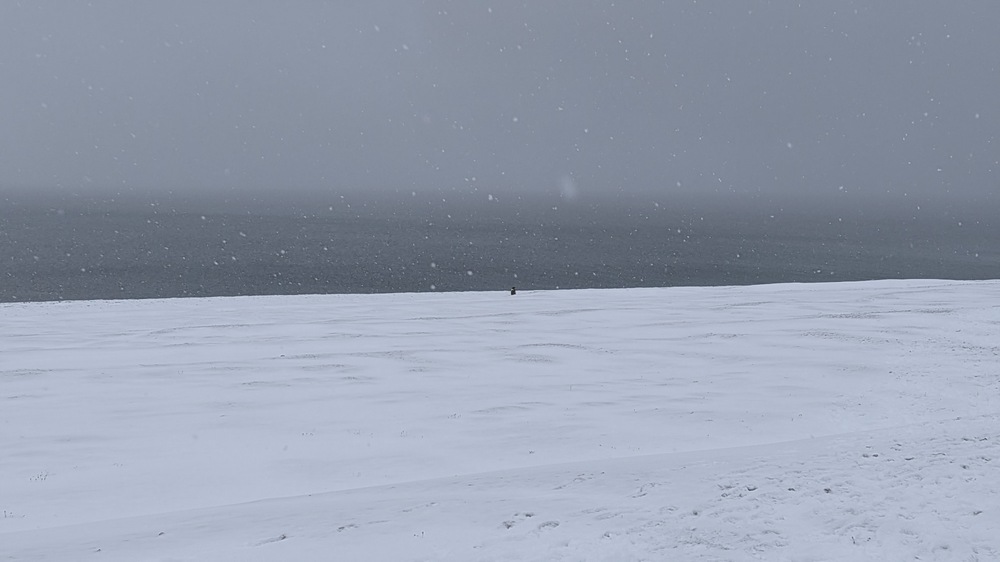
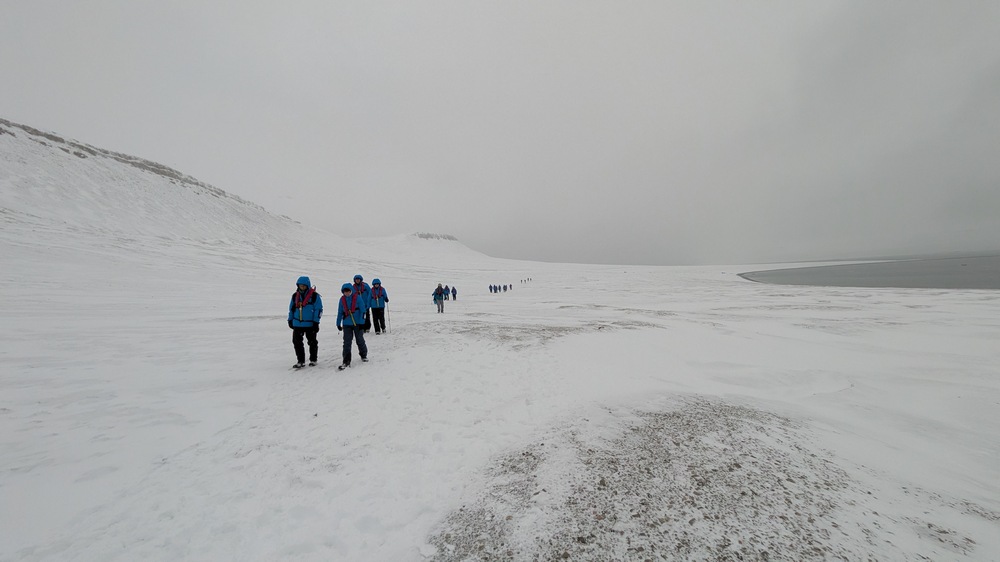
The regulations for this archeological site require an archeologist with a permit to accompany each group. No more than 25 visitors are allowed at any one time. So we hiked between the graves and Northumberland House in small groups. We were grateful for all our layers in the wind drive light snow.
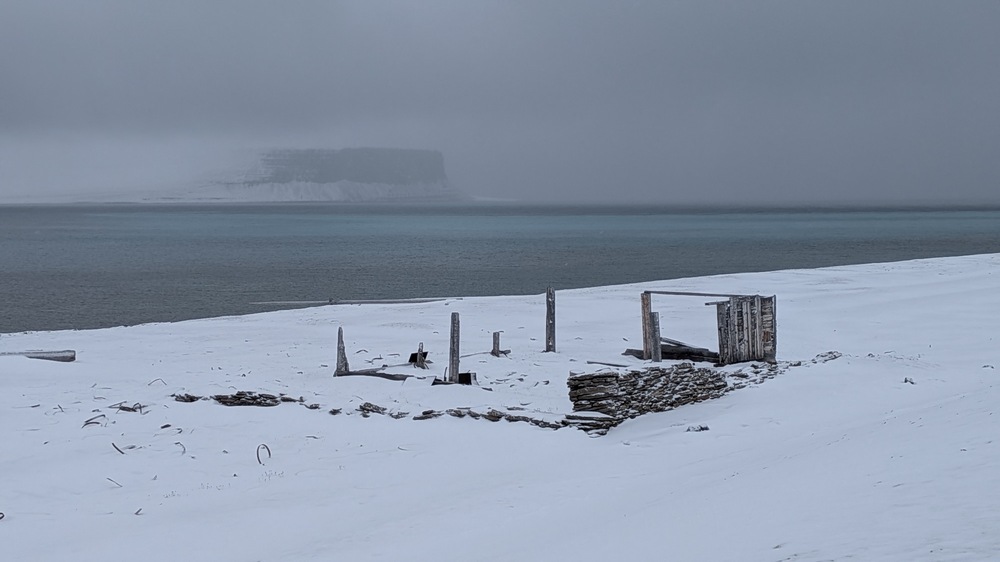
A storehouse equipped with cans of food and a supply of coal was left here in 1852 in the vain hope that Franklin might still be wandering in the area. It became the stopping point for expeditions during that decade. Amundsen took on the coal on his transit of the Northwest Passage.