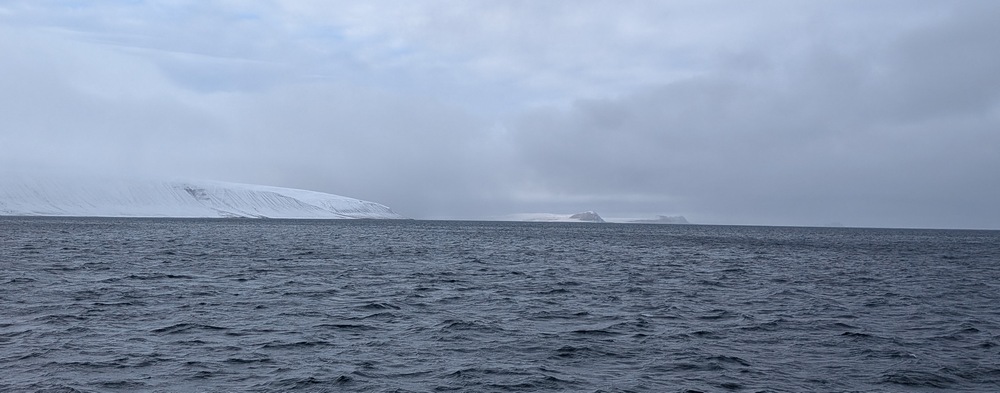
The Bellot Strait is a narrow, treacherous waterway in the Canadian Arctic territory of Nunavut. At approximately 25 kilometers (16 miles) long and only 2 kilometers (1.2 miles) wide at its narrowest point, it separates Somerset Island to the north from the Boothia Peninsula to the south. Zenith Point marks the northernmost point of the North American mainland.
On our 2023 trip to Svalbard, we stood on the northernmost point in Europe at Nordkapp. Here we are on the northernmost point of continental North America, less than 100 km further north.
The strait was discovered in 1852 by a British expedition searching for the lost Franklin expedition. Led by Captain William Kennedy and his second-in-command, French naval officer Joseph René Bellot, the party reached the strait by dogsled from Batty Bay. Kennedy named the passage after Bellot, who would die in the Arctic just a year later. Despite its discovery, the strait proved to be a formidable navigational challenge. The passage is notorious for its strong, unpredictable currents that can reach up to 8 knots, as well as being frequently choked with dangerous small icebergs. These hazards thwarted early attempts to sail through it, including a notable effort by explorer Francis Leopold McClintock in 1858. It wasn't until 1937 that the Hudson's Bay Company ship Aklavik made the first recorded crossing from west to east. Today, the Bellot Strait remains a key, if perilous, section of the Northwest Passage, a testament to the extreme challenges of Arctic navigation.
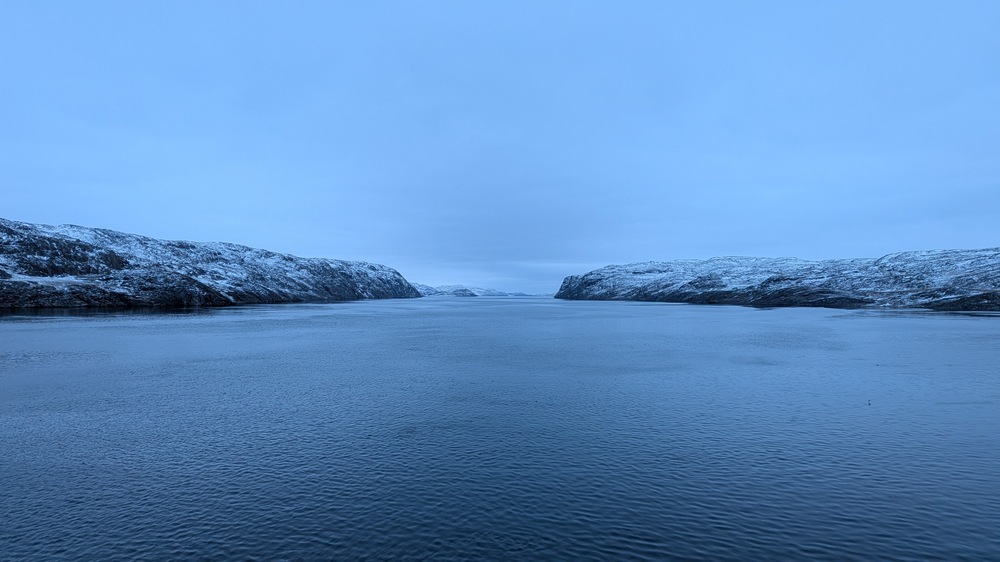
As we approached Bellot Strait from the west, Jane said, "There's something in the water." A polar bear! Just off the bow of the ship, we passed it quite quickly and watched as it disappeared in the distance. Which is when I remembered I had a camera with a long zoom in my pocket, purchased just for getting such once in a lifetime pictures. A memory, but no picture.
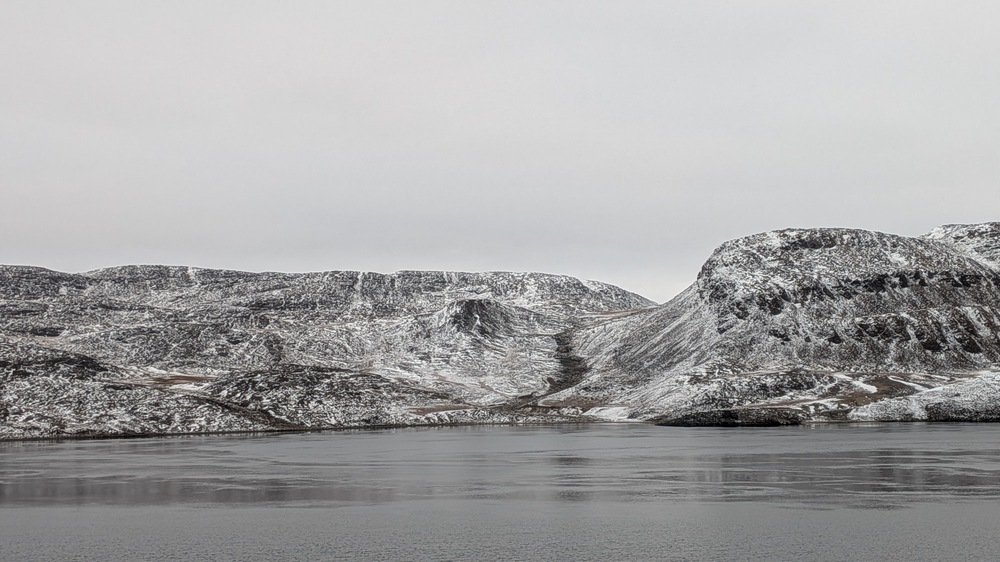
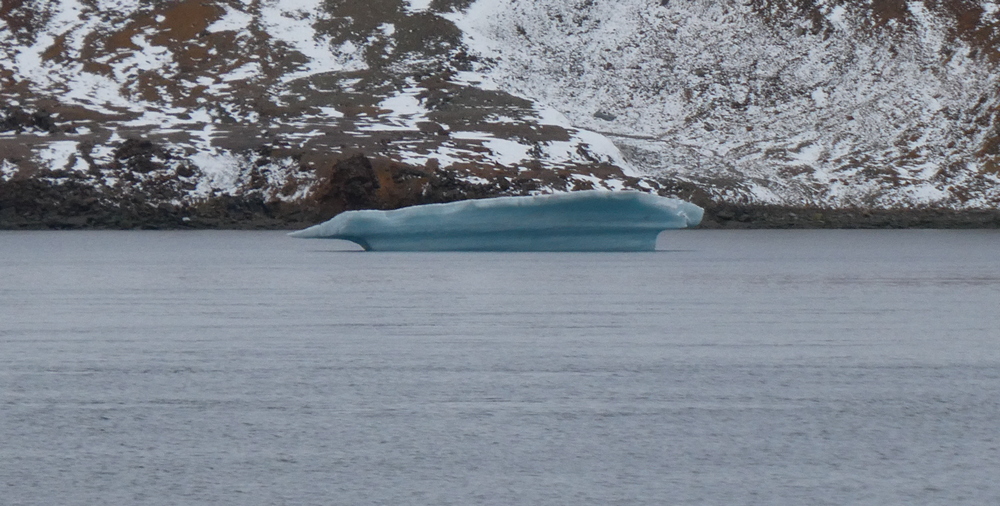
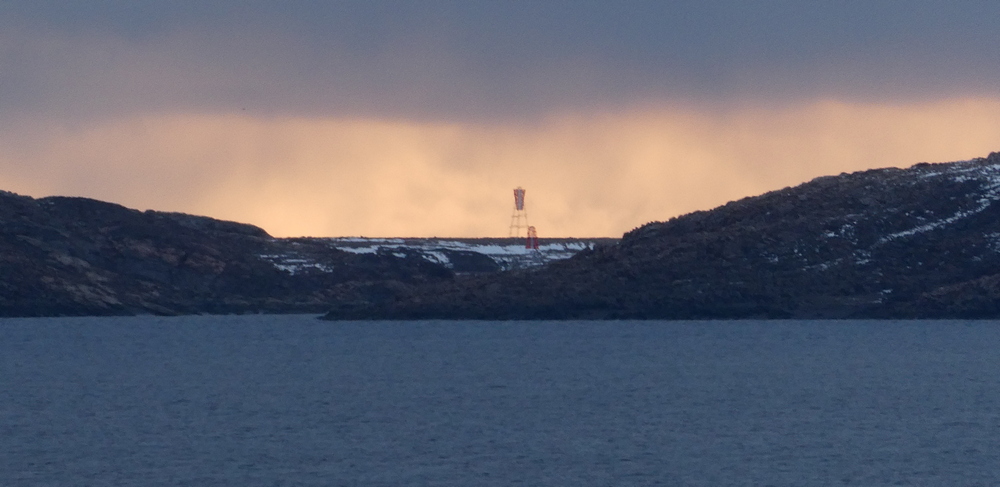
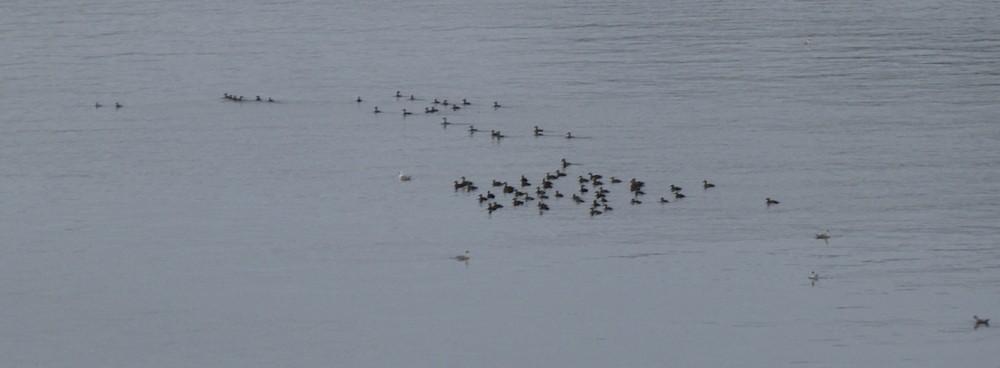
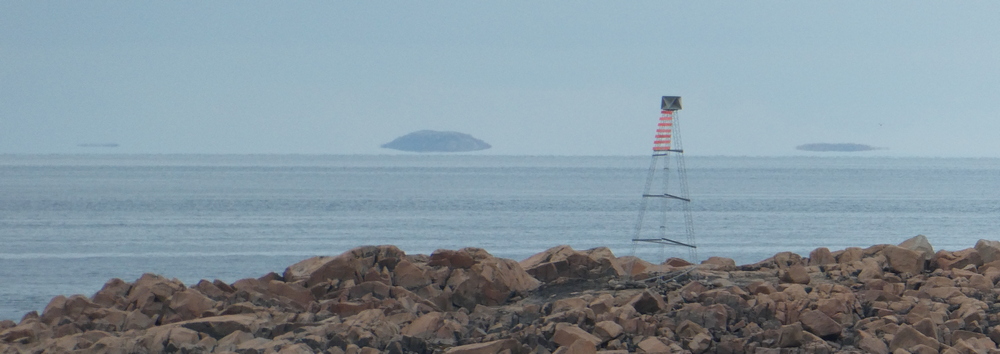
Strzelecki Harbour
Strzelecki Harbour, on the western shoreline of Prince of Wales Island, was named by Sir Francis Leopold McClintock during his 1857-59 expedition aboard the Fox to uncover the fate of Sir John Franklin. Strzelecki, who had met Franklin in Tasmania, was one of the first to help finance McClintock's expedition.

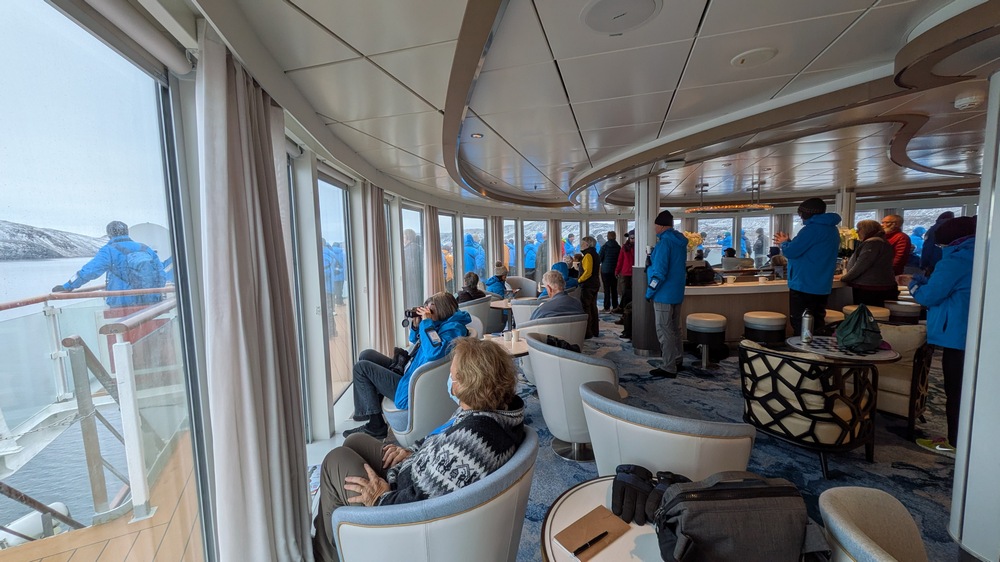
As we approached the place where the afternoon hike was planned, the captain spotted a mother Polar Bear with two cubs on the shoreline. It was announced that our landing would be delayed. Meanwhile, we watched the bears from the ship.
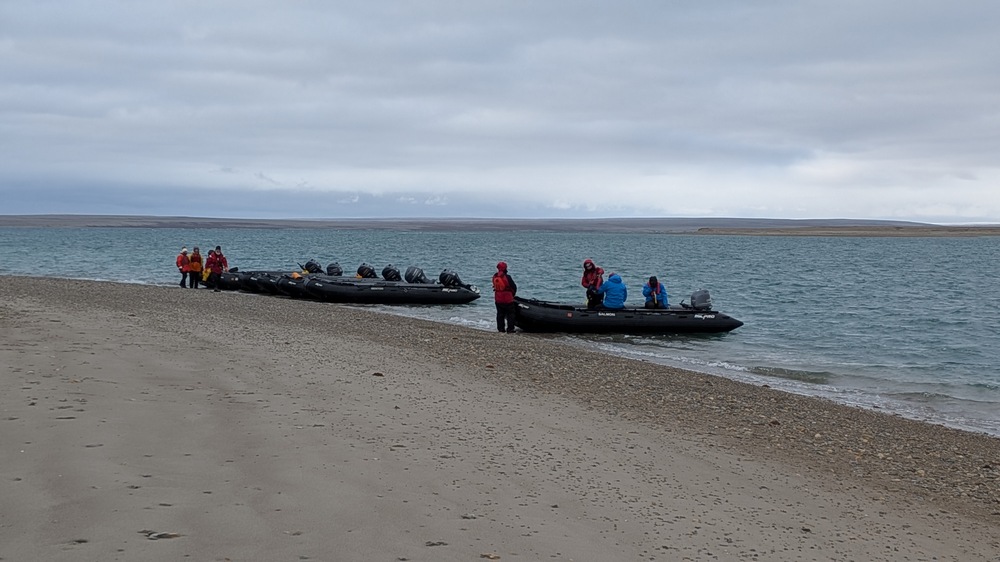
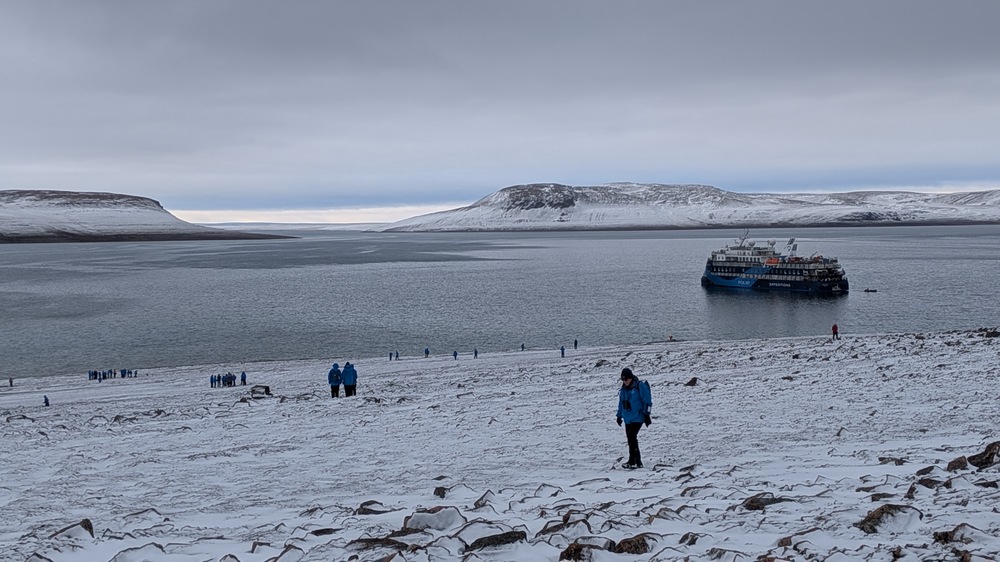
Surprisingly, we landed not far from where the bears were sighted. The bears had gone the other direction. Since mother bears are afraid of male polar bears when they have cubs, the crew were confident that we would be safe. Male polar bears kill the cubs so that their mother will be ready for mating.
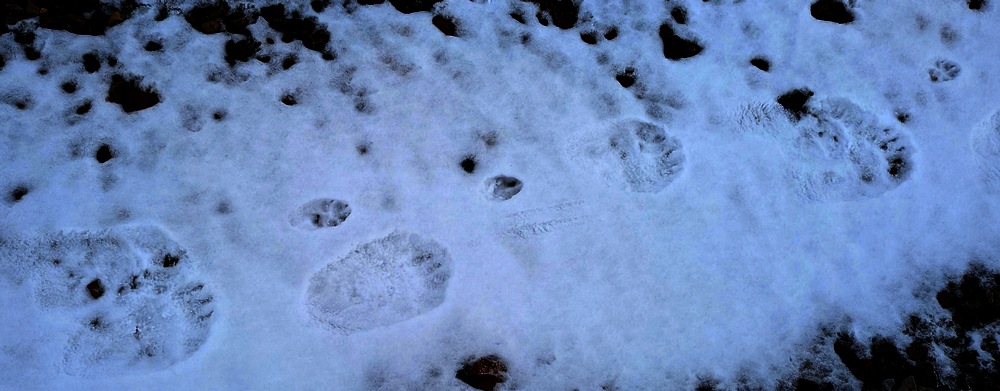
Prescott Island

We were warned. With a brisk 21 knot wind from the west, expect a wind chill of -12°C. All the layers are on. We are ready. Surprisingly, we were somewhat sheltered by the ridge and we were totally comfortable in our many layers of warm clothes.
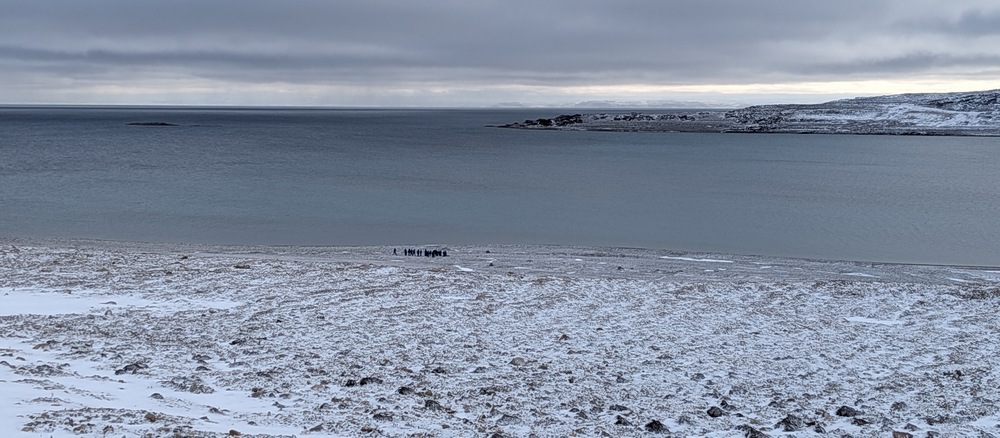
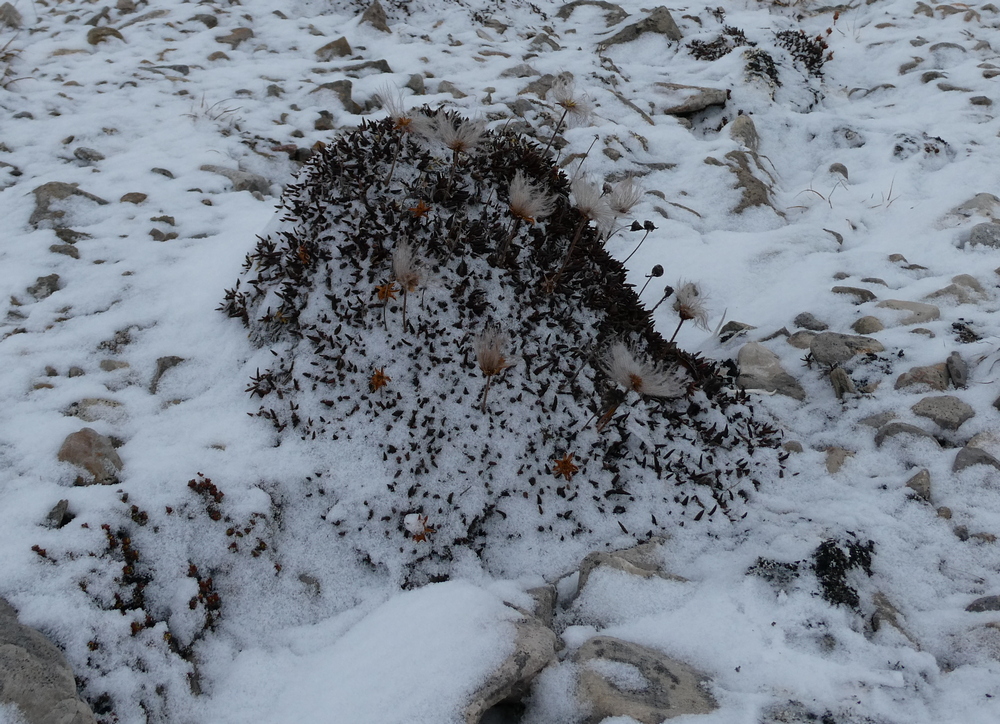
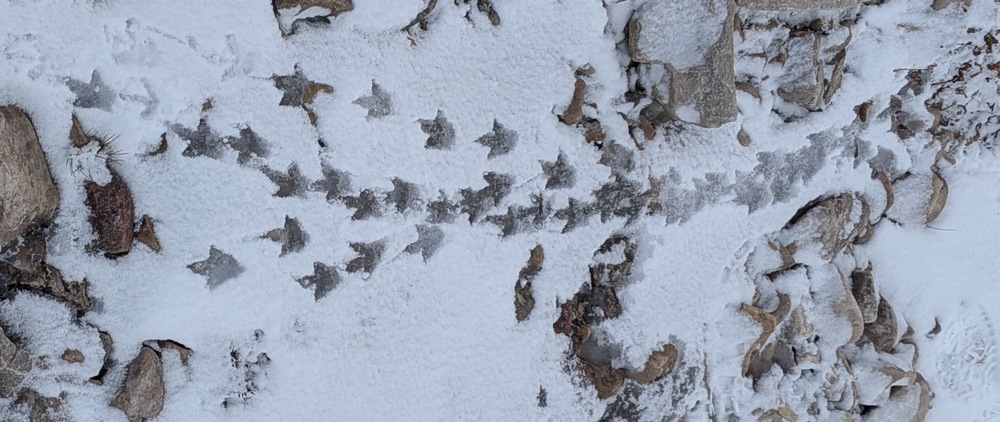
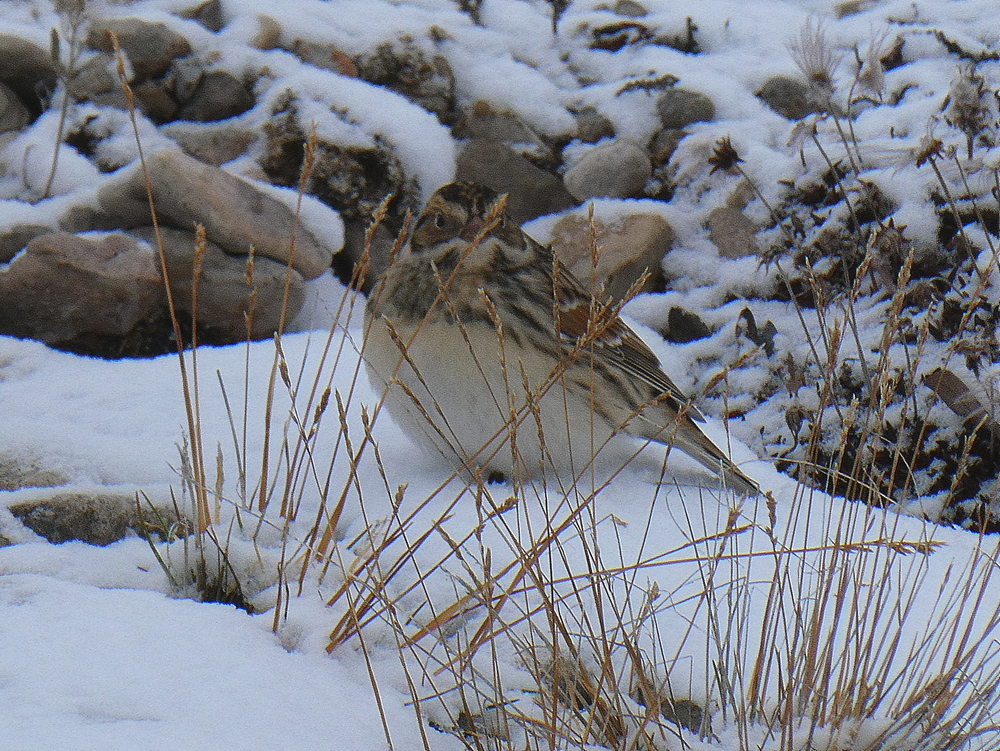
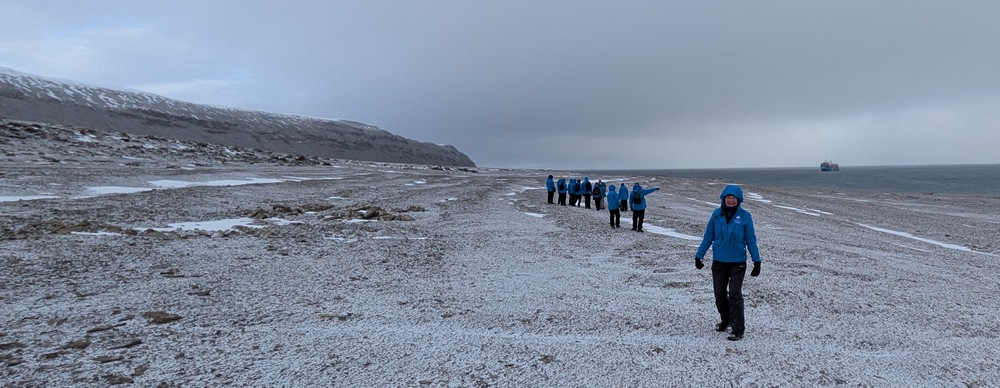
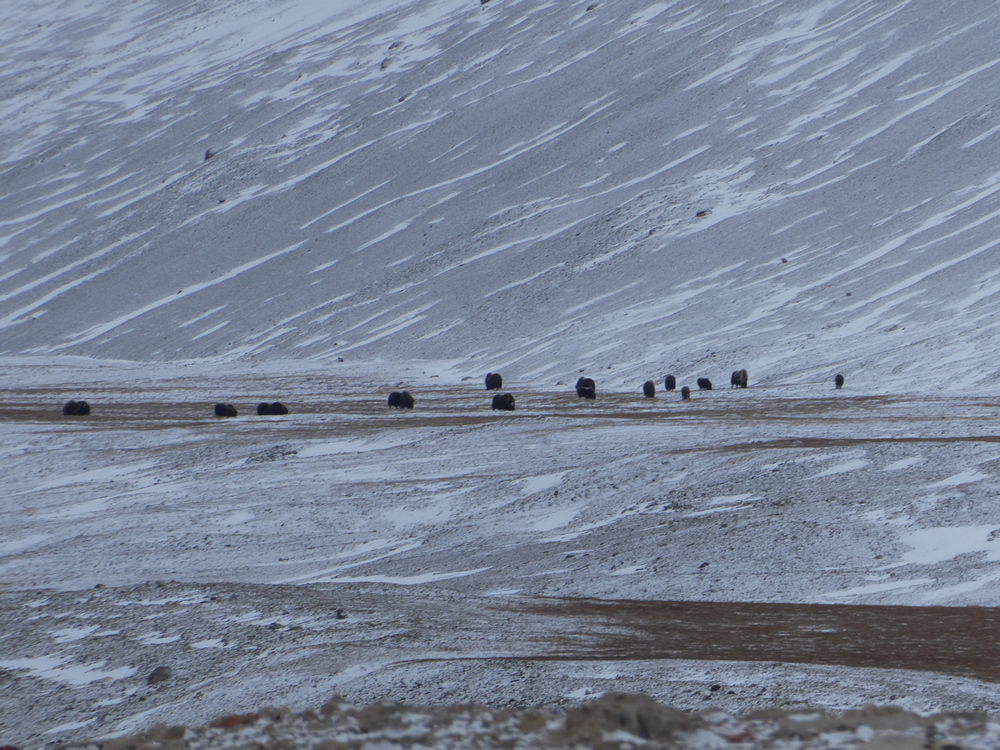
One of the bearguards, tasked with watching for polar bears, spotted a herd of muskox on a distant ridge. Slowly and quietly we advanced to the next ridge ahead of us and peered over to watch them from a distance.

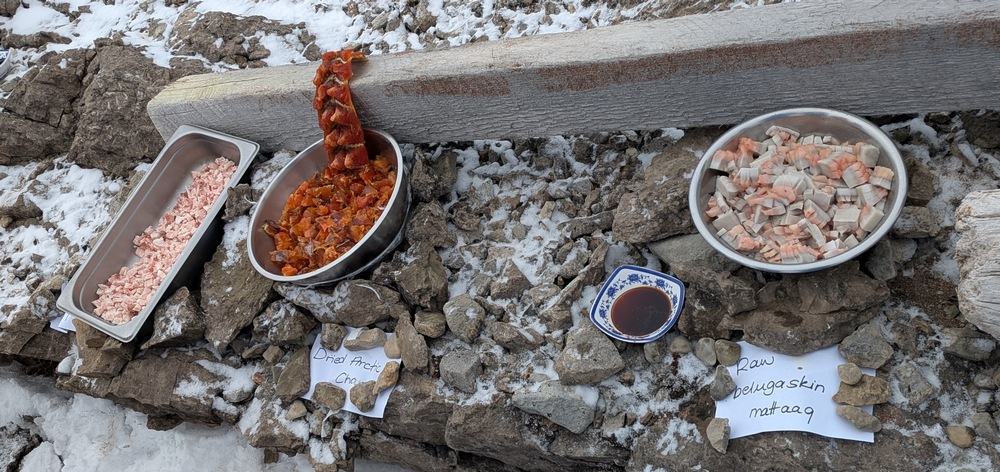
The last treat at the end of our hike was a sampling of local foods. We started with a sampling of raw fish: Arctic Char, Herring, Narwhale, Beluga Whale. Then, cooked over the small fire: Caribou, Arctic Char, Muskox. My favourite was the raw herring, followed by the caribou and the raw Arctic Char.