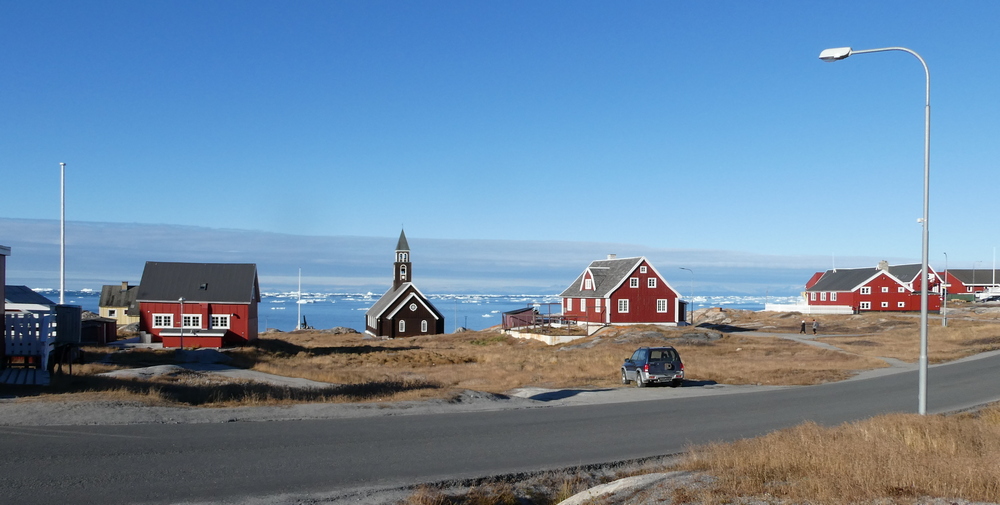
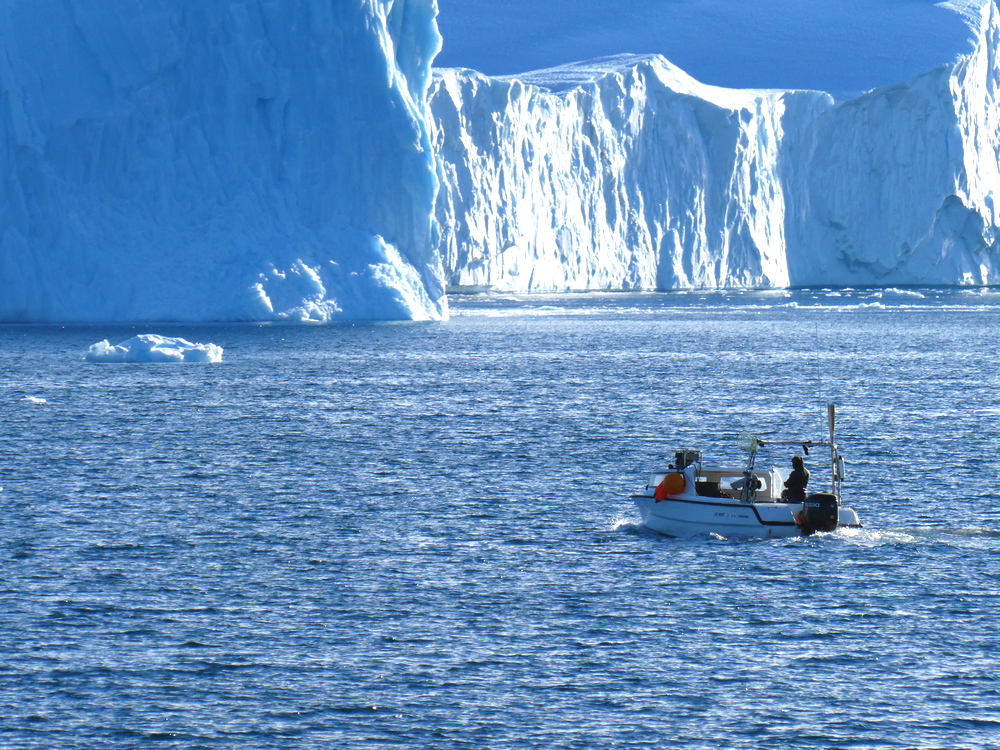
Ilulissat means “icebergs” in Greenlandic. It sits beside the Ilulissat Icefjord (Kangia), where the enormous Sermeq Kujalleq glacier produces huge quantities of icebergs. The area has been inhabited for about 4,400 years, including by the Saqqaq, Dorset, and Thule peoples.
The modern town was established as the Danish colony of Jakobshavn in 1741. It grew as a trading and missionary centre, while Inuit communities had already been living around the fjord for centuries. The nearby settlement of Sermermiut was particularly important; the last residents gradually moved to Ilulissat, with the settlement being abandoned around 1850.
Ilulissat is also famous for its connection to Arctic exploration. Knud Rasmussen, one of Greenland's most famous Arctic explorers, was born there in 1879, and Jørgen Brønlund, another Greenlandic polar explorer, was born there in 1877.
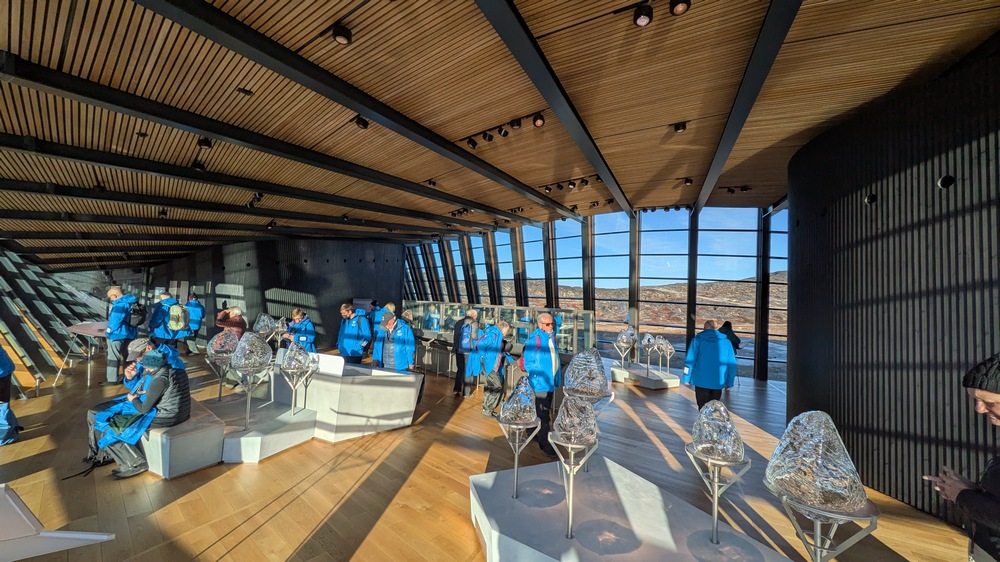
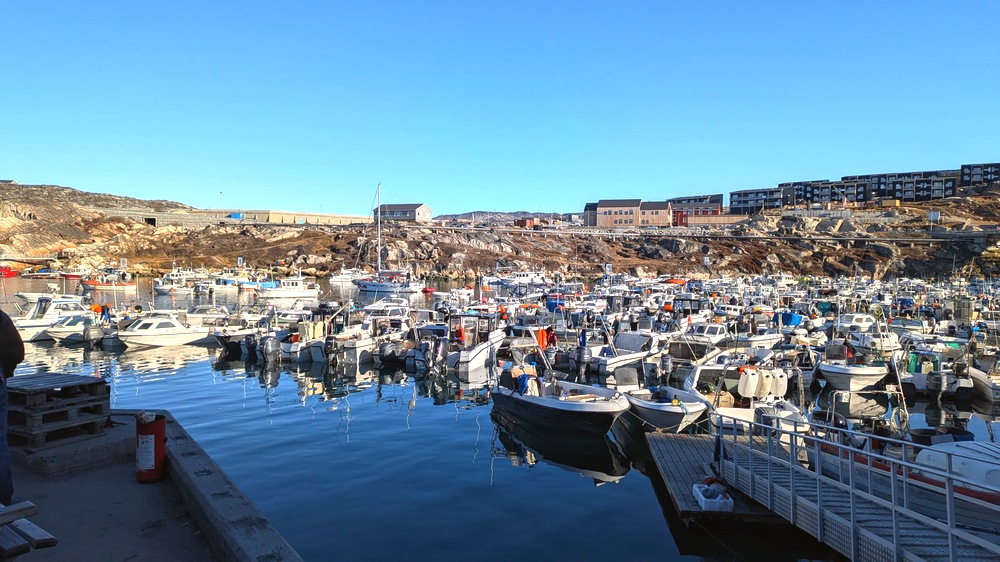
Today, Ilulissat is Greenland's third-largest town and an important fishing and tourism centre. The Ilulissat Icefjord became a UNESCO World Heritage Site in 2004 because of its exceptional glacial landscape and scientific importance.
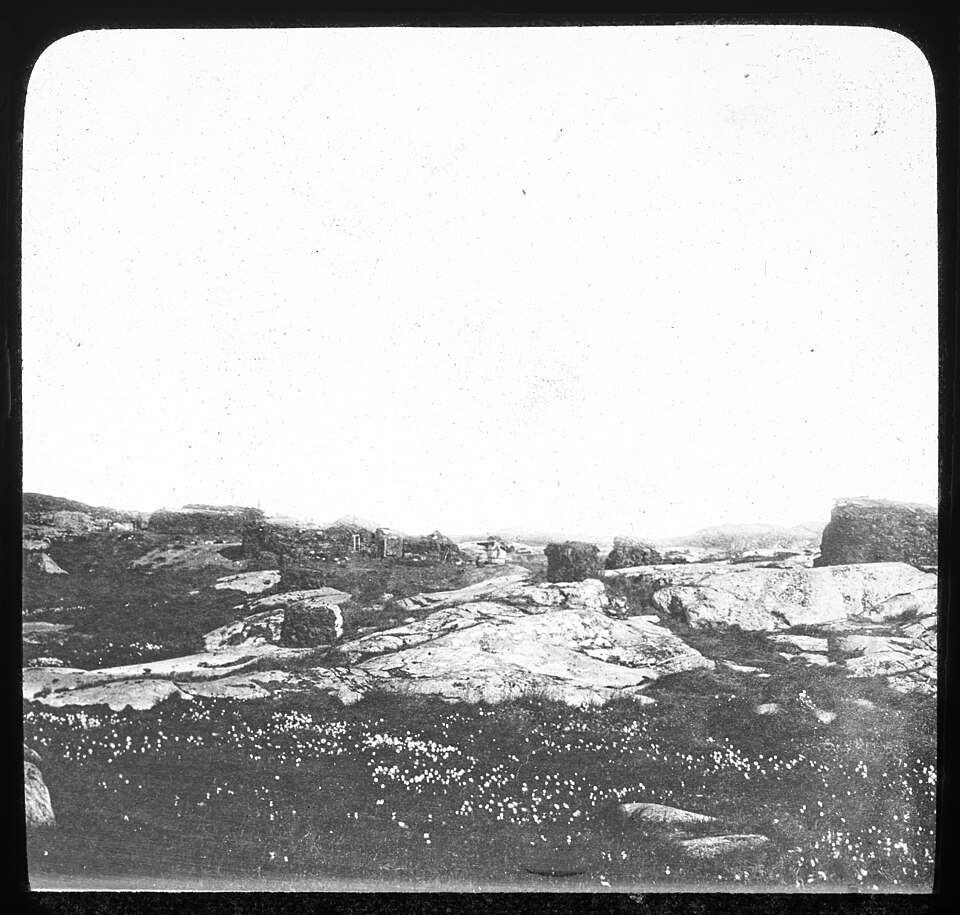
Ilulissat, iccebergs and Danish Pastry. Dennis Minty tells us what to expect.
Disko Fjord
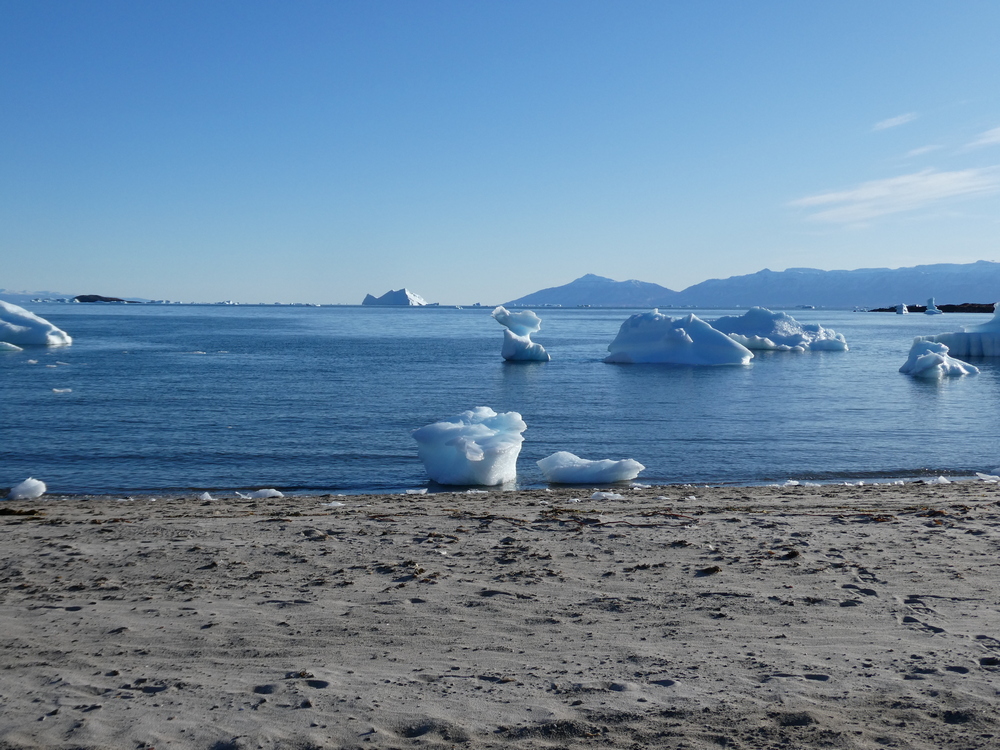
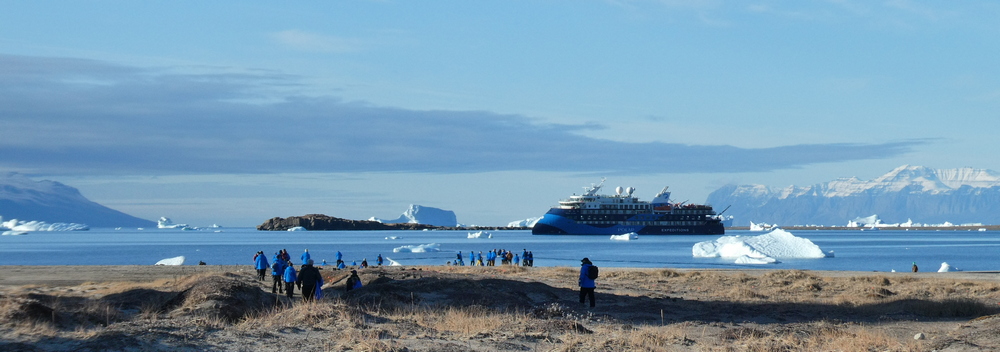
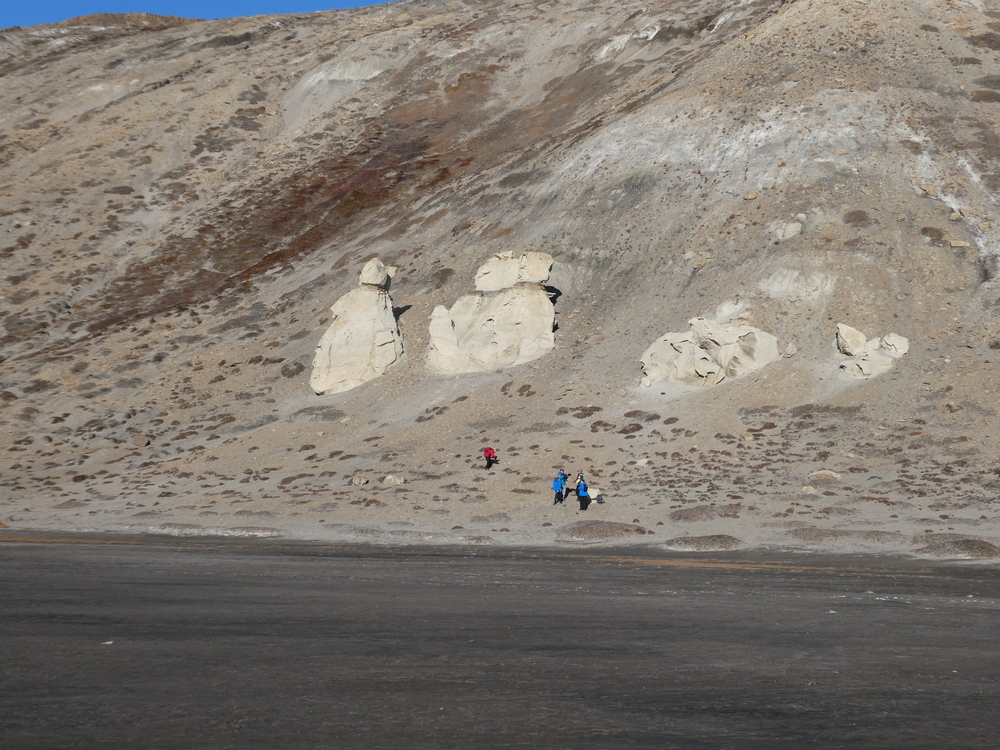
Ilulissat
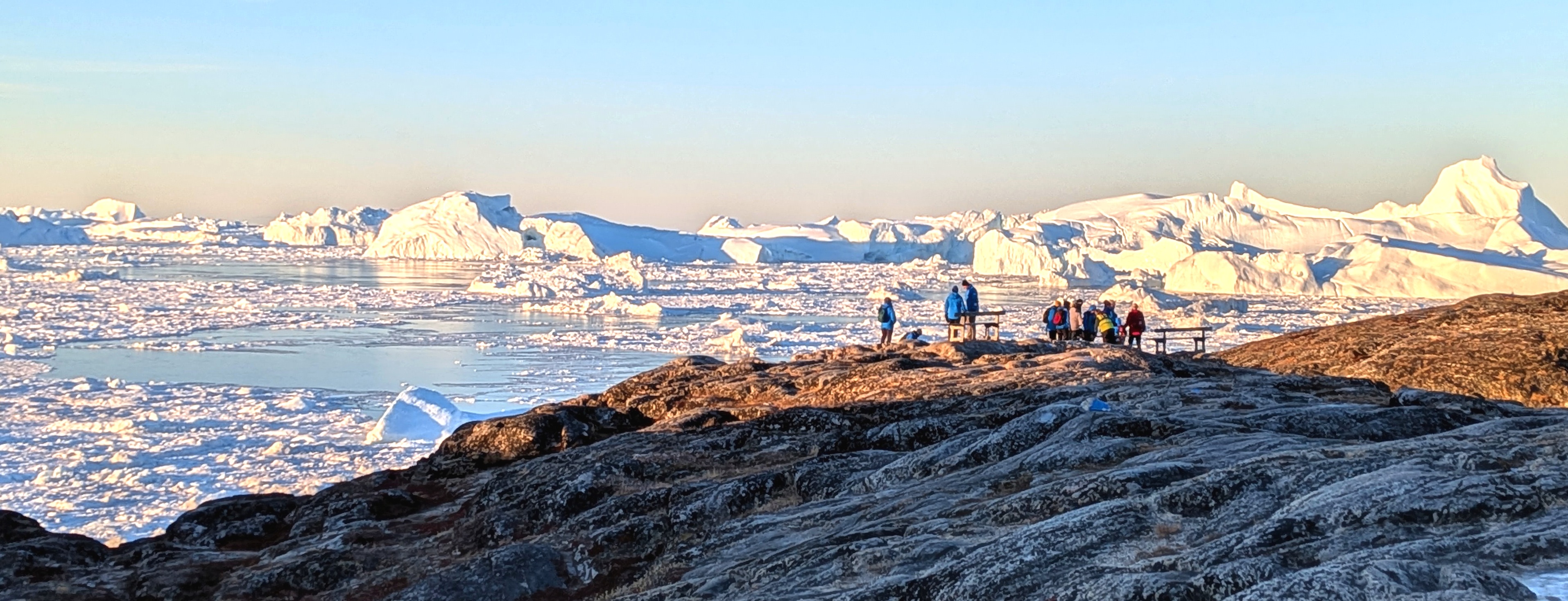
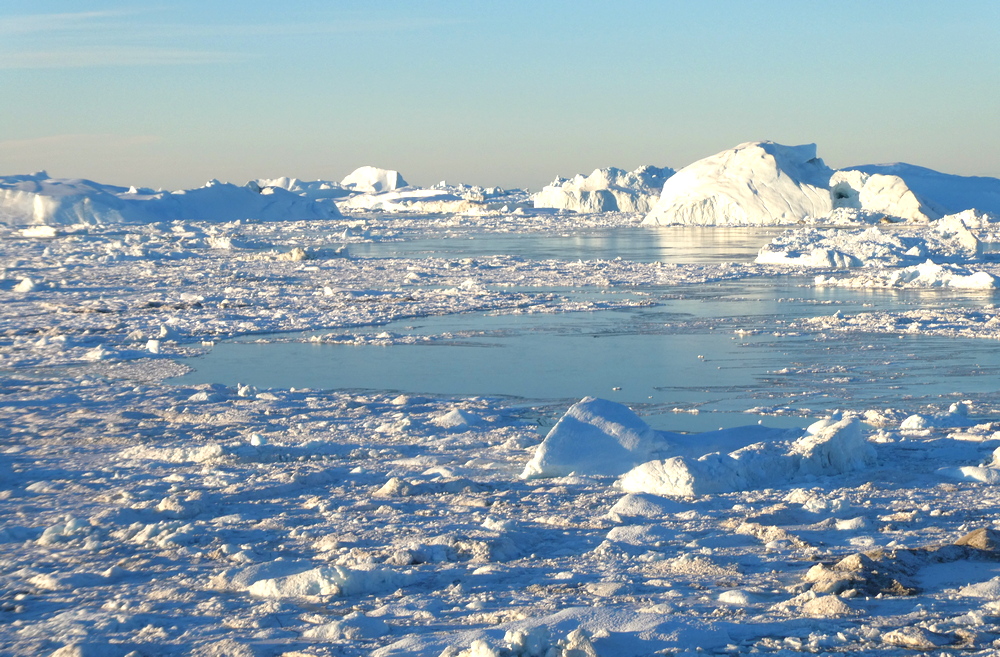
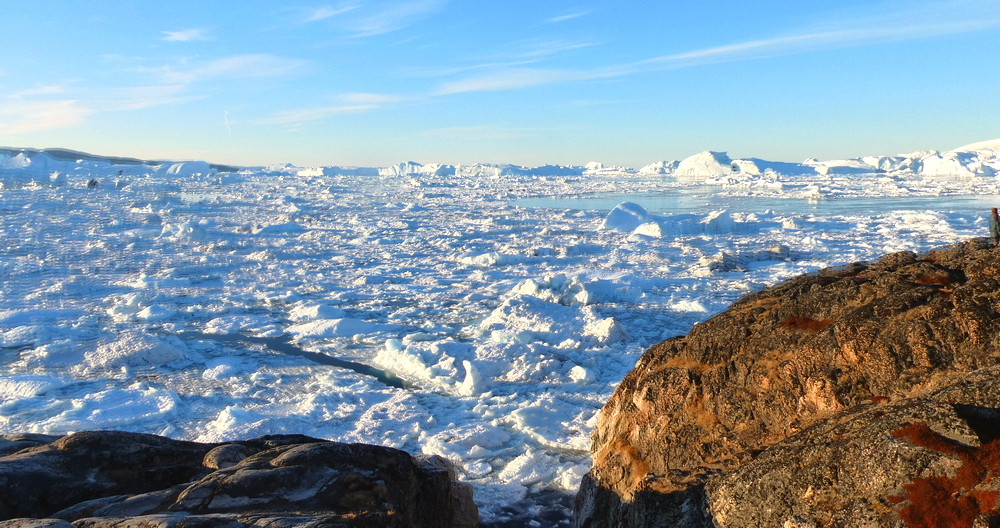
The Sermeq Kujalleq glacier dumps 35 cubic kilometers of giant icebergs into the fjord annually (10% of Greenland's icebergs). The meeting of sea and ice has been considered a world heritage site since 2004.
Ilulissat is home to over 3,000 working Greenlandic sled dogs, outnumbering the town's human residents. To protect the genetic purity of the ancient Greenlandic sled dog breed, it is strictly illegal to bring other dog breeds north of the Arctic Circle. If a Greenlandic sled dog travels south of the Arctic Circle or leaves Greenland entirely, it is legally barred from returning to the sled dog districts. These are powerful, high-endurance working dogs—not house pets. They are kept on tethered chains on the outskirts of town and should not be approached, petted, or fed by strangers or visitors without the musher's direct supervision. The dogs live outdoors year-round, enduring extreme Arctic temperatures that can drop to -57°C (-70°F).