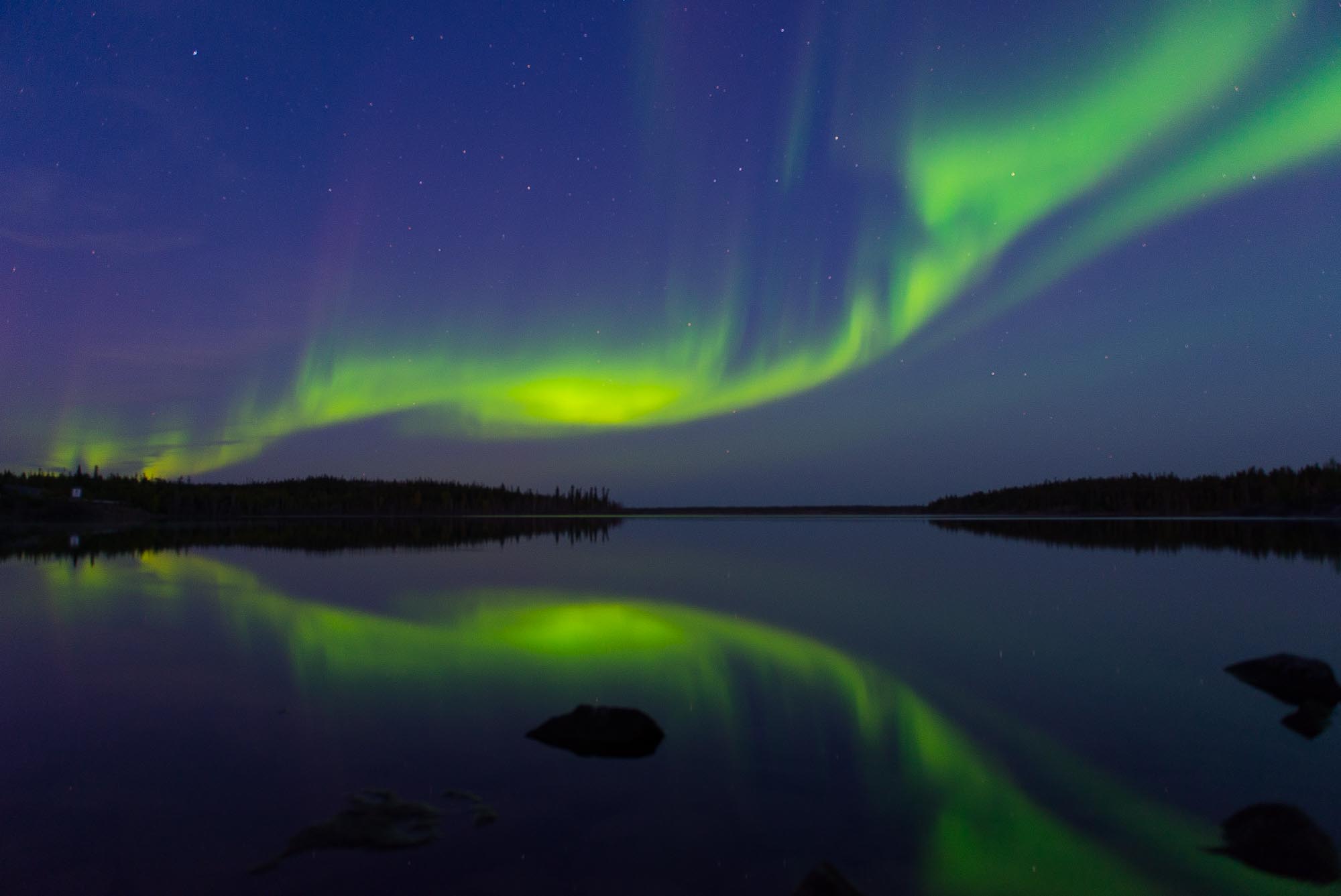
Yellowknife sits on the north shore of Great Slave Lake, the last city before the tundra takes over. The Dene have lived around Great Slave Lake for thousands of years, and the modern town traces its start to a 1930s gold rush that drew prospectors onto Yellowknife Bay. Gold built the city, but its deeper role in Arctic history is as a jumping-off point: this has been where overland and air expeditions provisioned before pushing north into the Barren Lands and the Arctic Archipelago. Franklin's overland parties staged near here before descending the Coppermine.
Today Yellowknife is the capital of the Northwest Territories.
We were surprised to find that Yellowknife was only started in 1934 with the first gold claims and it wasn't until 1953 that it became a municipality and elected its first mayor. In 1991, diamonds were discovered 300 km north and Yellowknife has become the diamond capital of North America. Despite that, we found many empty shopping centres and closed restaurants that lead us to believe the city is in decline.
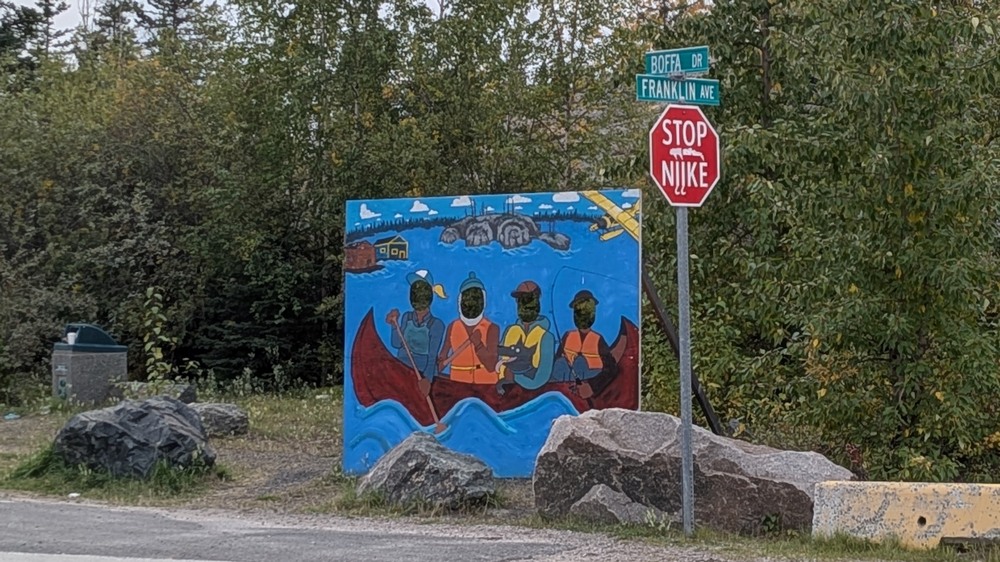
Tłı̨chǫ is a Dene language, one of the 11 official languages of the Northwest Territories. We toured the Legislature building today, and the proceedings are interpreted into all the languages simultaneously and available to everyone on the official website.
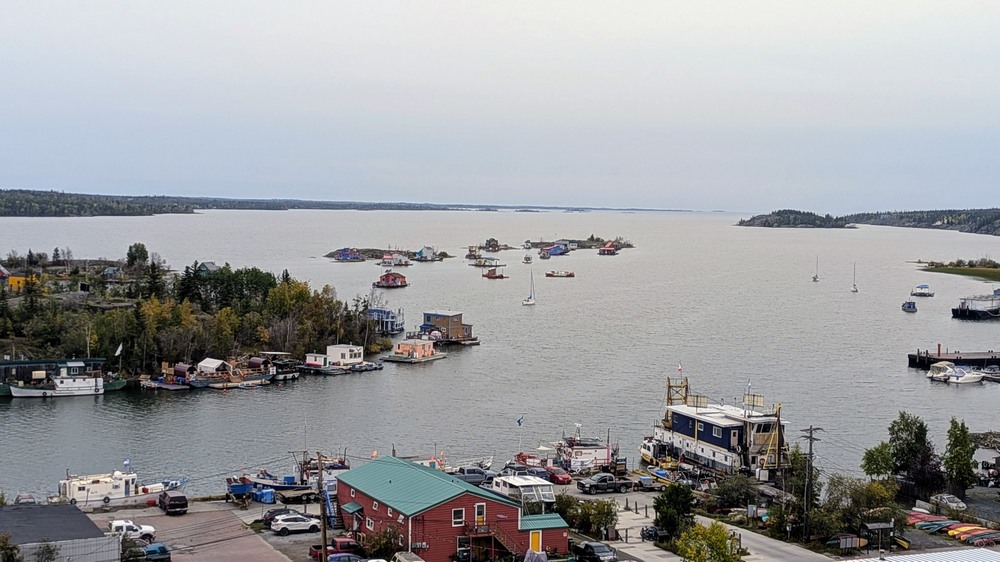
Our plans of fresh fish and chips at Bullock's were scuttled by them being full, so we headed to the Wildcat Cafe, once the only restaurant in town, for fresh trout and a bison stew, garnished with locally foraged spruce tips. The plan was to walk to a dark part of town after dinner, but sadly, although the probability of an aurora last night was good, we had rain and overcast skies. Maybe tonight? We have one more night in Yellowknife before we fly to Kugluktuk.