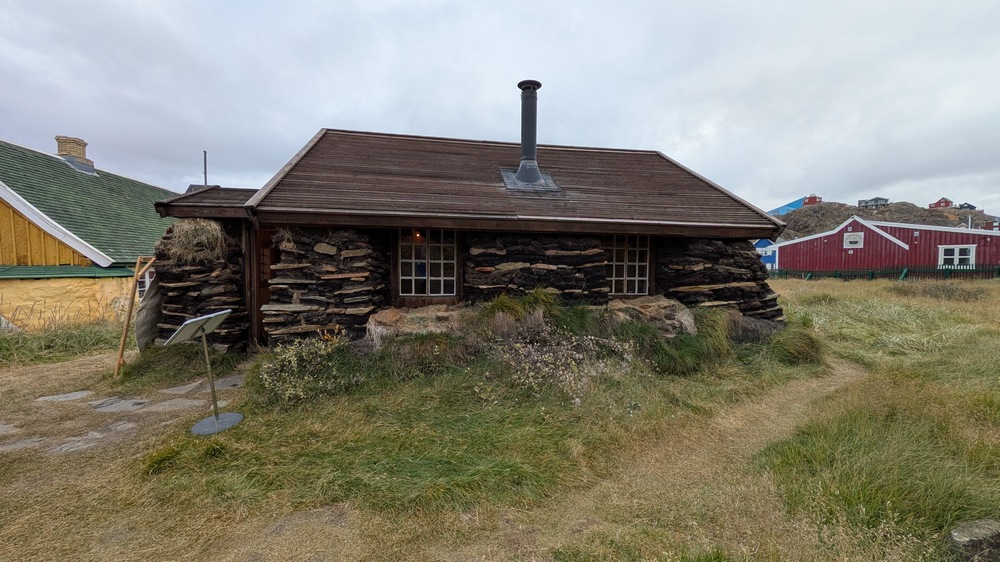
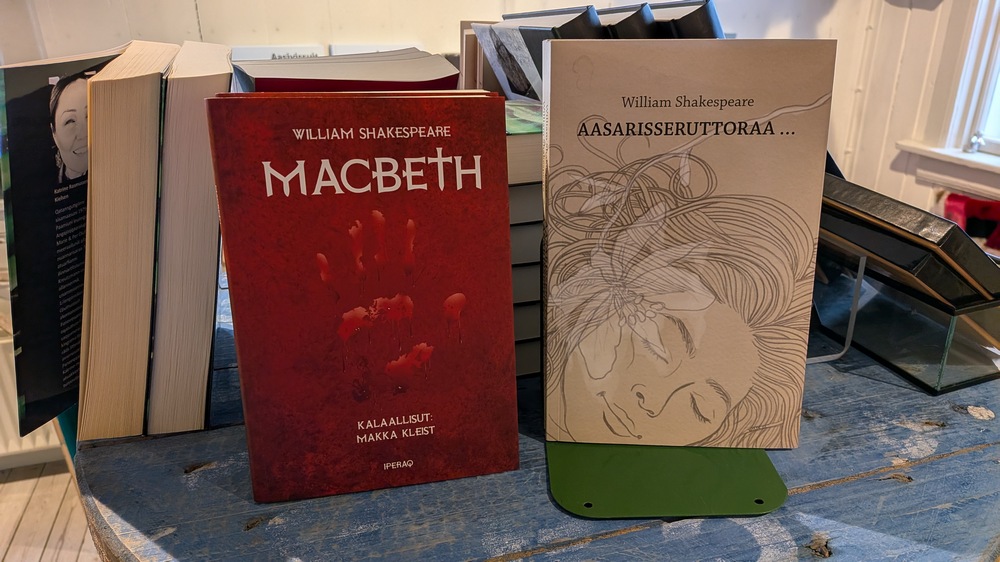
Sisimiut means “the people at the fox holes”. Its Danish name was Holsteinsborg. People have lived in the area for about 4,500 years, including members of the ancient Saqqaq culture.
The modern colonial settlement was established in 1764. Sisimiut was an important centre for whaling, hunting, trade, and fishing.
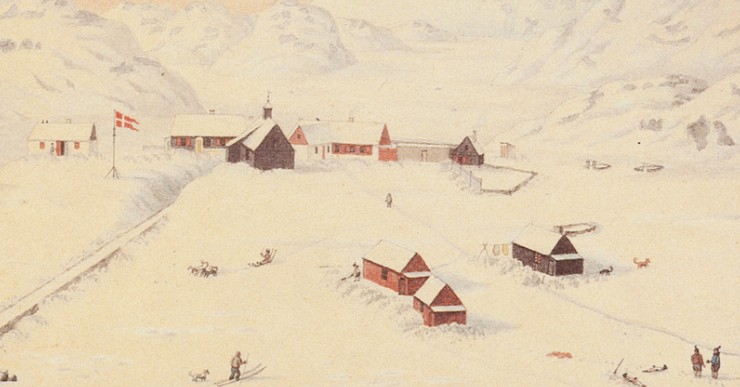
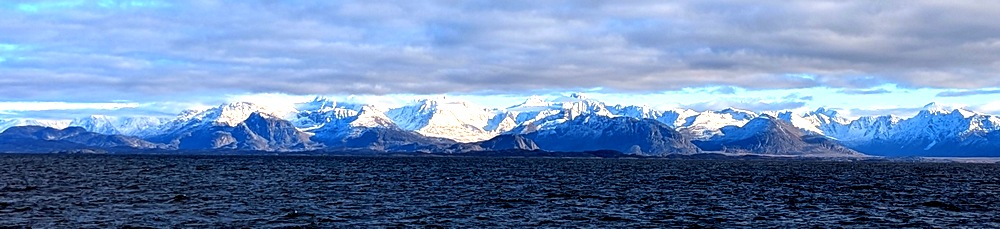
Sisimiut is Greenland's second largest town. Thanks to the warm currents from the south, the harbour remains ice free all year long.
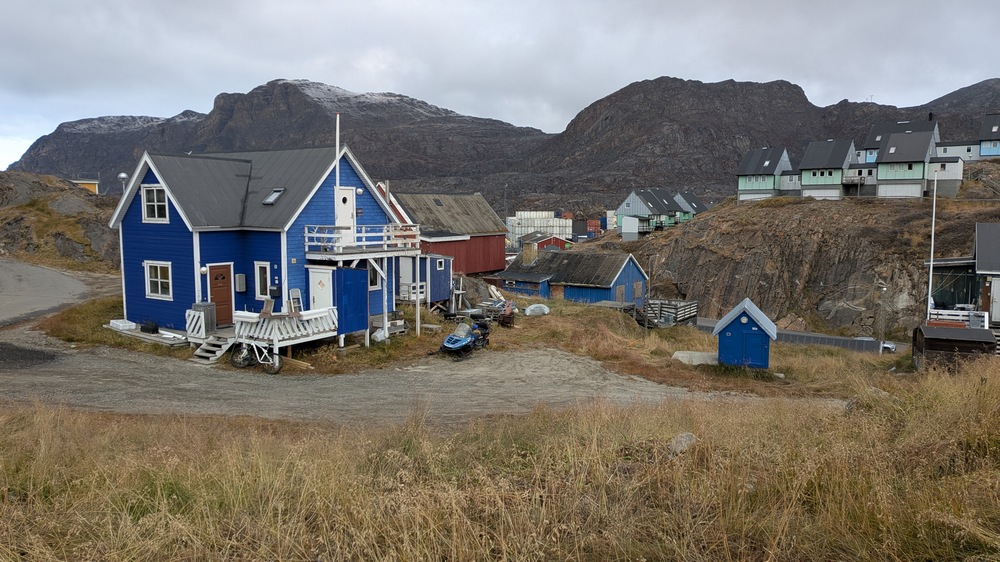
In colonial times, the buildings were color coded to make it easier for visitors to find their way around. Red for churches, schools, shops, and clergy or shop owner residences (the most common color). Yellow for hospitals and medical staff residences. Green for radio, telecommunications, power works, and mechanics. Blue for factories and fish processing plants. Black for Police stations. Now, residents may paint their houses in any color, and they do. But the hospitals is still yellow.
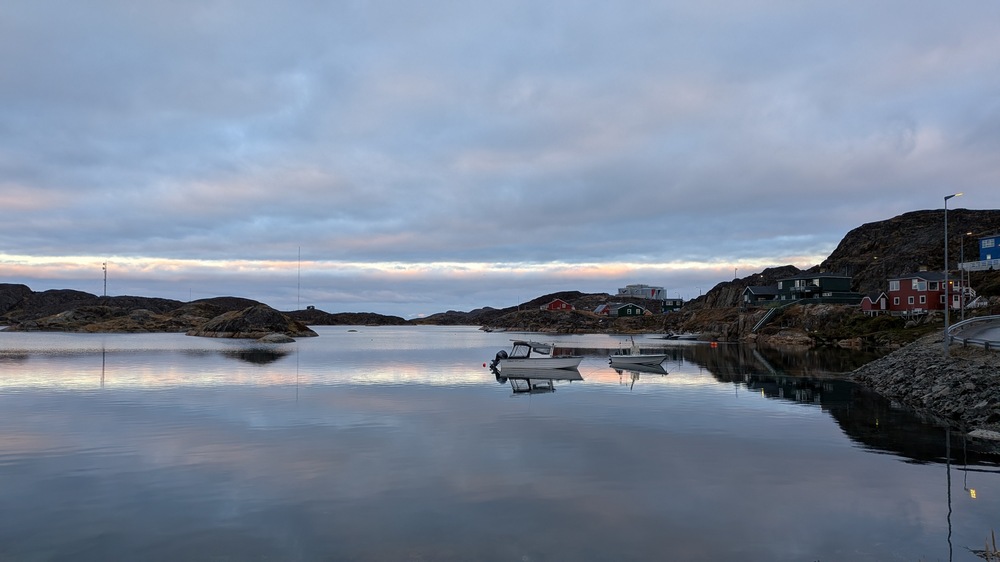
The area has been inhabited for 4,500 years with traces of Saqqaq, Dorset, and later Thule cultures found in nearby archeological sites.